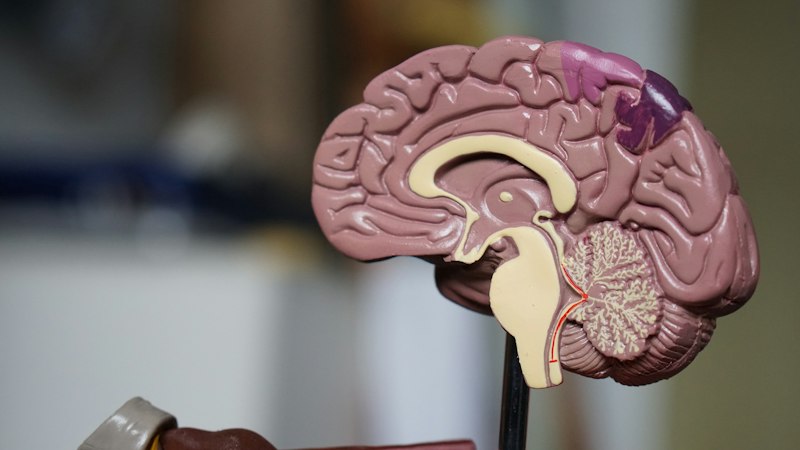

Functional Psychiatry 101: A Root-Cause Approach to Anxiety and Depression
Anxiety and depression are often described as “chemical imbalances,” but in clinical practice, the picture is usually much more complex. As a board-certified integrative psychiatrist in Miami, FL, I evaluate mood and anxiety symptoms through both a psychiatric and medical lens. That means I do not only ask, “What diagnosis fits?” I also ask, “Why is this happening in this person, at this time, and what is driving it?”
This is the core of functional psychiatry: identifying the biological, psychological, and lifestyle factors that may be contributing to symptoms, then creating a treatment plan that addresses those drivers while also relieving distress. For many patients, that approach feels validating because it recognizes that panic, insomnia, low motivation, irritability, and emotional numbness are not character flaws. They are signals.
In my Miami practice, serving patients in Coral Gables, Brickell, Miami Beach, and South Miami, I often see people who have been told their lab work is “normal” even though they feel persistently anxious, exhausted, foggy, or depressed. Others have tried medication and benefited partially, but still do not feel like themselves. A functional psychiatry approach helps us look deeper.
What functional psychiatry actually means
Functional psychiatry is not an alternative to evidence-based psychiatric care. It is an expanded model of care that combines standard psychiatric evaluation and treatment with a careful search for modifiable root causes. That can include sleep disruption, nutritional deficiencies, hormone changes, thyroid issues, inflammation, blood sugar instability, substance use, trauma, medication side effects, and gut-related symptoms that may influence brain function.
In other words, I do not view anxiety and depression as isolated brain problems. The brain is part of the body, and mood is influenced by immune signaling, metabolic health, endocrine function, circadian rhythm, and the autonomic nervous system. At the same time, relationships, stress, grief, perfectionism, and unresolved trauma matter profoundly. Good psychiatry holds both truths at once.
This approach is especially relevant in a city like Miami, where I frequently see patients balancing high-performance careers, long workdays, shift-based schedules, nightlife-related sleep disruption, heavy caffeine intake, social alcohol use, and chronic stress. Those factors can significantly worsen anxiety and depression, even in highly resilient people.
Why a root-cause approach matters for anxiety and depression
Two patients can both meet criteria for generalized anxiety disorder or major depressive disorder and still need very different treatment plans. One person may be experiencing panic because of chronic sleep deprivation, high-dose caffeine, and untreated hyperthyroidism. Another may have depression related to trauma, iron deficiency, perimenopausal hormone shifts, and inflammatory metabolic changes. If we only label the symptoms without identifying the contributors, we risk under-treating the problem.
A root-cause approach matters because symptoms are often multifactorial. Anxiety is not always “just stress.” Depression is not always “just serotonin.” Sometimes the body is sending early warning signs that deserve careful evaluation. When we identify those drivers, treatment becomes more precise and often more effective.
That does not mean every patient needs extensive testing, nor does it mean there is always one hidden answer. Functional psychiatry is not about chasing every possible abnormality. It is about using clinical judgment to investigate the most likely contributors based on the patient’s history, symptoms, medical background, and risk factors.
How I assess root causes in practice
A comprehensive psychiatric and medical history
A functional psychiatry evaluation starts with a detailed conversation. I want to understand when symptoms began, what was happening at the time, how sleep has changed, whether panic is linked to stimulants or blood sugar crashes, whether there are seasonal patterns, and what the patient’s energy, focus, digestion, menstrual history, libido, and exercise tolerance look like.
I also review medical diagnoses, current medications, supplements, substance use, family history, and prior treatment response. For example, if someone became more anxious after starting a new medication, or if depression worsened after a hormonal transition, that detail matters. If a person wakes at 3 a.m. every night with a racing heart after two espressos and pre-workout, that matters too.
Targeted laboratory and medical evaluation
When clinically appropriate, I may recommend targeted lab work or coordination with a primary care physician or specialist. Depending on the case, this can include evaluation of thyroid function, iron studies, vitamin B12, folate, vitamin D, metabolic markers, and other relevant measures. For some patients, hormone assessment may be helpful, particularly when symptoms correlate with perimenopause, postpartum changes, or other endocrine shifts.
The purpose of testing is not to medicalize every emotion. It is to avoid missing common, treatable contributors to psychiatric symptoms. If a patient has profound fatigue, low motivation, hair shedding, constipation, and depressed mood, I do not want to assume it is purely psychiatric without considering thyroid dysfunction or iron deficiency.
Root causes I commonly evaluate in anxiety
Blood sugar swings, caffeine, and overstimulation
Many anxious patients are surprised by how much physiology affects their nervous system. Skipping meals, relying on coffee, using energy drinks, and eating very little protein can create a cycle of jitteriness, palpitations, irritability, and “impending doom” sensations that feel psychological but are partly metabolic.
This is common in busy professionals in Brickell and downtown Miami who are powering through meetings on cold brew and then crashing later in the day. Stabilizing blood sugar with regular meals, adequate protein, hydration, and strategic caffeine reduction can significantly lower baseline anxiety for the right patient.
Thyroid issues, iron deficiency, B12, and vitamin D
An overactive thyroid can mimic anxiety, causing restlessness, rapid heart rate, tremor, and insomnia. Iron deficiency can worsen fatigue, poor concentration, shortness of breath, and mood symptoms, even before anemia becomes severe. Low B12 and low vitamin D may also contribute to fatigue, cognitive symptoms, and low mood in some patients.
These are not exotic findings. They are common clinical issues that can meaningfully affect how a person feels. When they are present, addressing them can improve resilience and help other psychiatric treatments work better.
Hormonal transitions
Hormonal shifts can intensify anxiety, insomnia, irritability, and mood instability. I commonly evaluate this in women who notice symptom flares around the menstrual cycle, postpartum, or during perimenopause. Hormones do not explain every symptom, but they can be clinically significant and are too often overlooked.
Sleep and circadian rhythm disruption
Sleep disruption is one of the most underestimated drivers of anxiety. Miami’s pace, traffic, late dinners, nightlife, shift work in hospitality or healthcare, and excessive screen exposure can all disturb circadian rhythm. Even modest chronic sleep deprivation can increase emotional reactivity, worsen panic, and make the brain interpret normal stress as threat.
For some patients, improving sleep is not a “bonus recommendation.” It is a central part of treatment.
Root causes I commonly evaluate in depression
Inflammation and metabolic health
Depression is increasingly understood as more than a neurotransmitter disorder. For some patients, inflammatory signaling and metabolic dysfunction play a role. Poor sleep, visceral adiposity, insulin resistance, sedentary behavior, highly processed diets, and chronic stress can all contribute to low energy, brain fog, reduced motivation, and depressed mood.
This does not mean inflammation is the cause of every depressive episode. It means that for a subset of patients, improving metabolic health can support psychiatric recovery. In practice, that may involve nutrition changes, exercise programming, weight and insulin resistance assessment, and coordination with other medical care when needed.
Gut-brain interactions
The gut and brain are in constant communication through neural, immune, and hormonal pathways. Patients with bloating, reflux, constipation, diarrhea, food sensitivities, or post-antibiotic changes sometimes notice that their mood worsens at the same time their digestion does. The science here is evolving, and I am careful not to overstate what we know. But clinically, digestive health can be relevant, especially when symptoms are persistent and paired with fatigue or inflammation.
Trauma, burnout, and chronic stress physiology
Not all depression looks like sadness. In Miami, I often meet high-functioning patients who present with emotional flatness, cynicism, exhaustion, poor concentration, social withdrawal, and loss of motivation after prolonged stress. Sometimes that pattern is burnout. Sometimes it is trauma-related depression. Sometimes it is both.
When the nervous system has been in survival mode for too long, the result can look like depression even if the original trigger was chronic overactivation. This is why treatment must go beyond symptom checklists. We need to understand the physiology of stress, the patient’s story, and the meaning of the symptoms.
What treatment looks like in functional psychiatry
Nutrition and targeted supplementation
Food is not a replacement for psychiatric treatment, but it is one of the most powerful inputs into brain function. I often recommend nutrition strategies that prioritize protein, fiber, omega-3-rich foods, steady blood sugar, and reduced reliance on ultra-processed foods. For some patients, correcting under-eating is just as important as improving food quality.
Supplements can be useful when they are individualized and based on clinical reasoning. That may include nutrients such as omega-3s, magnesium, vitamin D, iron, or B12 when appropriate. I am cautious about trendy supplement stacks because “natural” does not automatically mean safe or effective, especially when patients are taking psychiatric medications.
Psychotherapy and nervous system regulation
A root-cause approach still fully values psychotherapy. Cognitive behavioral therapy, psychodynamic therapy, trauma-focused work, and nervous system regulation techniques can all be essential. If a patient’s anxiety is amplified by perfectionism, unresolved trauma, people-pleasing, or chronic hypervigilance, no lab panel will solve that alone.
I often frame treatment as both bottom-up and top-down. Bottom-up work addresses sleep, inflammation, hormones, nutrition, and autonomic regulation. Top-down work addresses thought patterns, emotional processing, behavior change, boundaries, and meaning.
Medication when it is indicated
Functional psychiatry is not anti-medication. In my practice, medication is absolutely part of the conversation when it is appropriate. For moderate to severe depression, panic disorder, obsessive symptoms, insomnia, or severe functional impairment, medication can be life-changing and sometimes necessary. The goal is not to avoid medication at all costs; it is to prescribe thoughtfully, monitor carefully, and use the lowest-burden approach that is clinically effective.
Some patients need medication temporarily while we address root contributors. Others benefit from longer-term pharmacologic treatment. Integrative care is not either/or. It is personalized care.
What patients can expect in my Miami practice
Patients who seek functional psychiatry are often looking for more than a prescription refill. They want a clinician who can connect the dots between mood, sleep, hormones, inflammation, cognition, and daily stress. In my Miami, FL practice, I work with adults seeking integrative psychiatric and functional medicine-informed care, including patients from Coral Gables, Brickell, Miami Beach, and South Miami.
That care is structured, not vague. We identify the most relevant clinical patterns, review prior treatment response, consider targeted testing when indicated, and build a plan that may include psychotherapy recommendations, medication management, nutrition changes, lifestyle interventions, and coordination with other medical specialists. The process is individualized because anxiety and depression do not arise from one identical pathway in every person.
When symptoms need urgent attention
A root-cause approach should never delay urgent psychiatric care. If depression includes suicidal thinking, inability to function, self-harm urges, psychosis, severe agitation, or rapid worsening, that requires immediate clinical attention. Likewise, chest pain, fainting, severe shortness of breath, or other acute medical symptoms should be evaluated promptly.
Integrative care works best when it is grounded in good medical judgment and clear safety planning.
A thoughtful next step
If you have been struggling with anxiety or depression and feel that something deeper may be contributing, functional psychiatry may offer a more complete framework. My goal is to understand not only your diagnosis, but your biology, your stress load, your history, and the patterns that may be keeping you stuck.
As Dr. Mariela Padro, MD, I provide functional and integrative psychiatric care in Miami, FL for patients in Coral Gables, Brickell, Miami Beach, South Miami, and surrounding areas. If you are ready for a more personalized, root-cause approach to anxiety and depression, schedule a consultation at padromd.com.