
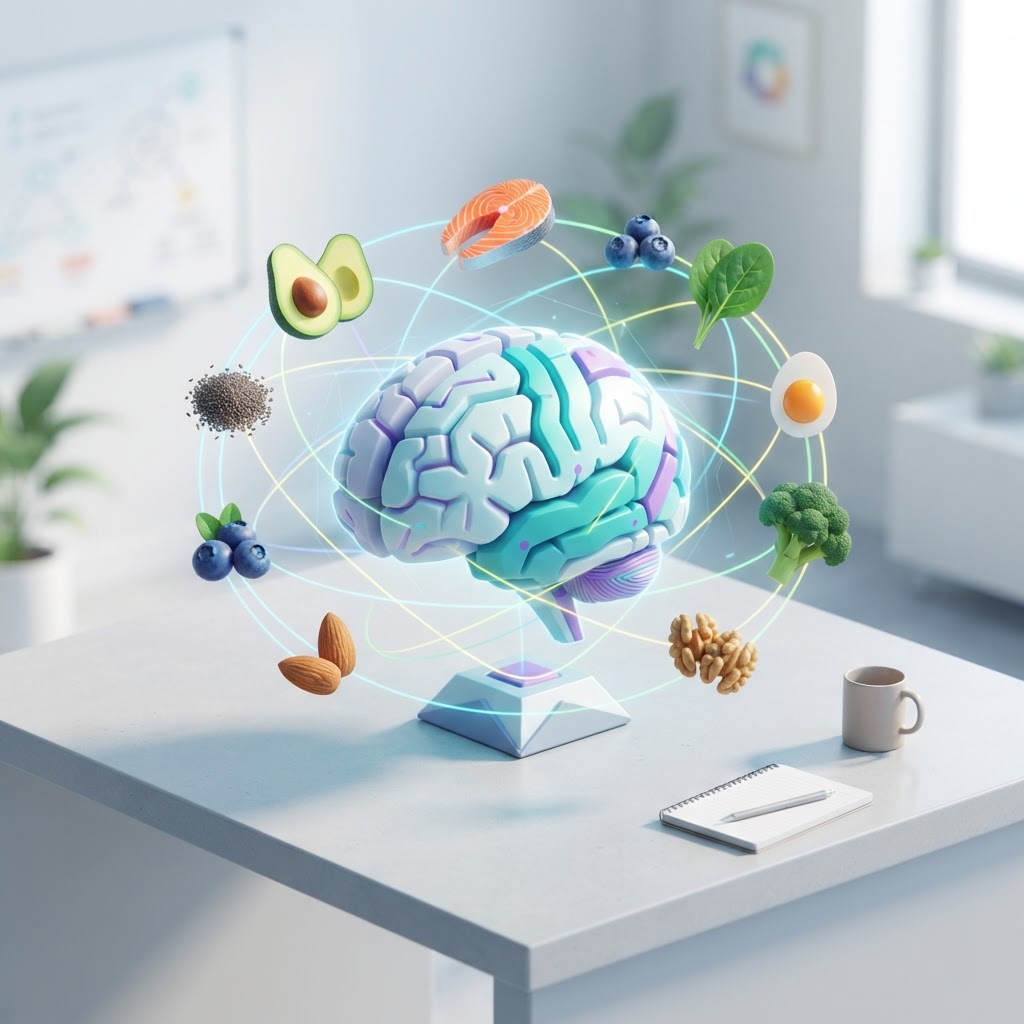
Introduction: The Metabolic Foundation of Mind
In our high-demand world, we often treat mental clarity and mood as isolated phenomena. However, as an integrative psychiatrist, I see the brain as the most metabolically demanding organ in the human body. Your brain health diet is not just about physical aesthetics; it is the primary fuel source for your neurotransmitters, structural integrity, and cognitive endurance.
The Gut-Brain Axis: A Nutritional Connection
Emerging research continues to highlight the profound connection between gut health and mental well-being. A significant portion of your body's neurotransmitters, including serotonin, are produced or influenced by the gut microbiome. When we discuss nutrition for brain health, we are essentially discussing the nourishment of the gut ecosystem. Diets rich in fermented foods, prebiotic fibers, and diverse polyphenols create a biological environment that promotes the synthesis of key chemicals required for steady mood and focus.
The Role of Micronutrients in Mood Regulation
Nutrients for mood are often deficient in modern diets. Essential vitamins like B12, folate, and minerals such as magnesium and zinc play indispensable roles in methylation and cellular energy production. A lack of these foundational elements can often manifest as brain fog, irritability, or feelings of stagnation. Integrative psychiatry seeks to identify these deficiencies as potential root causes, rather than simply suppressing the symptoms of imbalance with traditional medication alone.
Cognitive Performance Nutrition: Healthy Fats and Stability
The brain is roughly 60% fat. Therefore, the quality of dietary fats we consume directly influences the integrity of our neuronal membranes. Omega-3 fatty acids, specifically EPA and DHA, are essential for neuroplasticity and the reduction of neuroinflammation. Prioritizing high-quality sources such as wild-caught fish, walnuts, and flaxseeds can provide the structural building blocks necessary for long-term cognitive resilience.
Conversely, excessive intake of highly processed sugars and refined carbohydrates can trigger inflammatory pathways that impact brain function. This leads to the classic "afternoon crash" where blood glucose instability directly mirrors a decline in cognitive performance. Stable, consistent energy is the secret to sustained focus throughout the workday.
Antioxidants and Neuroprotection
Oxidative stress is a major contributor to age-related cognitive decline and mood dysregulation. By incorporating a wide spectrum of colorful, antioxidant-rich whole foods, we provide the brain with the tools to defend itself against cellular damage. Phytochemicals found in berries, leafy greens, and cruciferous vegetables act as protective agents, ensuring that our cognitive performance nutrition is as robust as possible.
Conclusion: Moving Toward a Root-Cause Approach
Optimizing your mental performance is a journey that begins on your plate. By shifting the focus from symptomatic relief to metabolic support, you can unlock a higher baseline of clarity, emotional stability, and vitality. If you are ready to explore how a personalized, integrative approach to nutrition can support your mental health goals, I invite you to schedule a consultation at my practice. Together, we can examine your unique biochemistry and create a roadmap to help you feel your best.
[Visit padromd.com to book your appointment today.]