Introduction: The Bi-Directional Highway
For decades, conventional psychiatry treated mental health as a process occurring exclusively within the brain. However, modern integrative medicine has revealed a far more complex system: the gut-brain connection. This bi-directional communication network, known as the gut-brain axis, links the emotional and cognitive centers of the brain with peripheral intestinal functions. At Dr. Mariela Padro MD, we view mental health through this holistic lens, recognizing that true wellness often begins in the digestive system.
The Anatomy of the Gut-Brain Axis
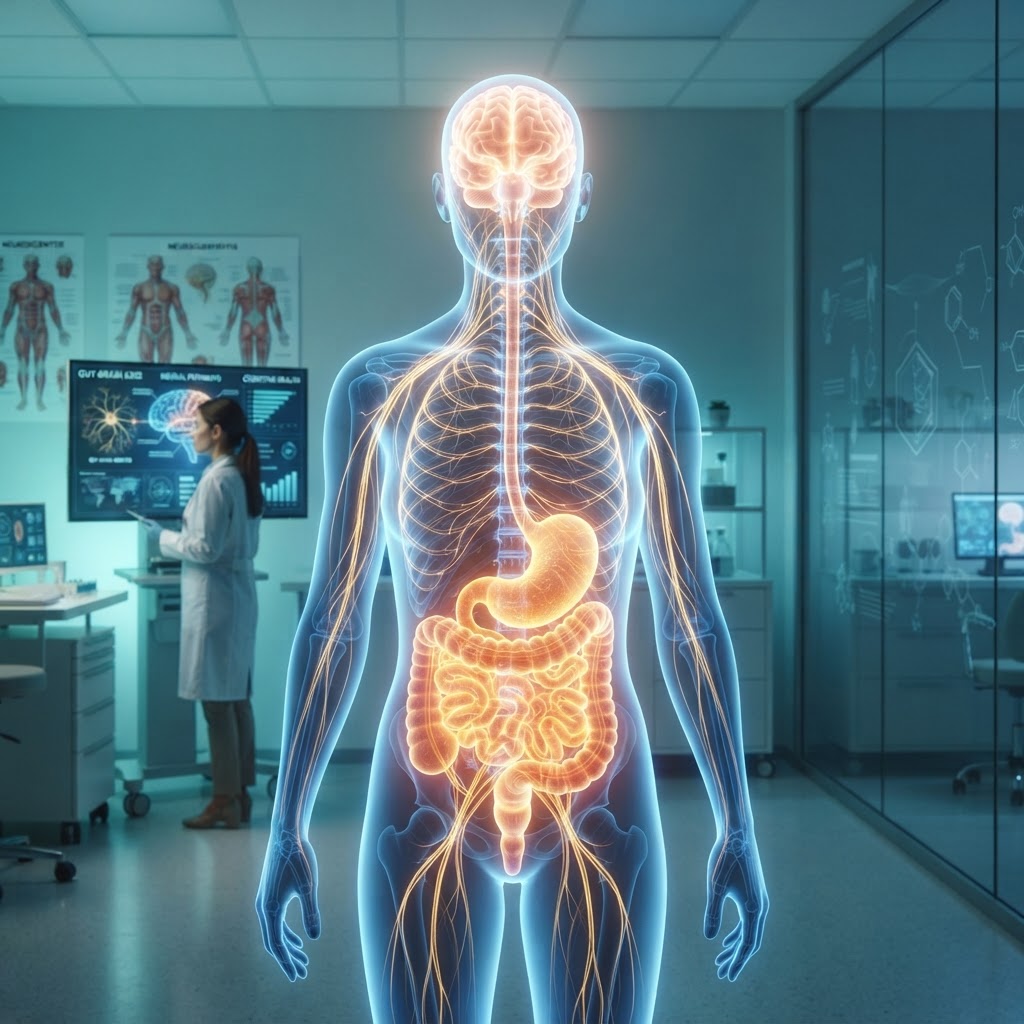
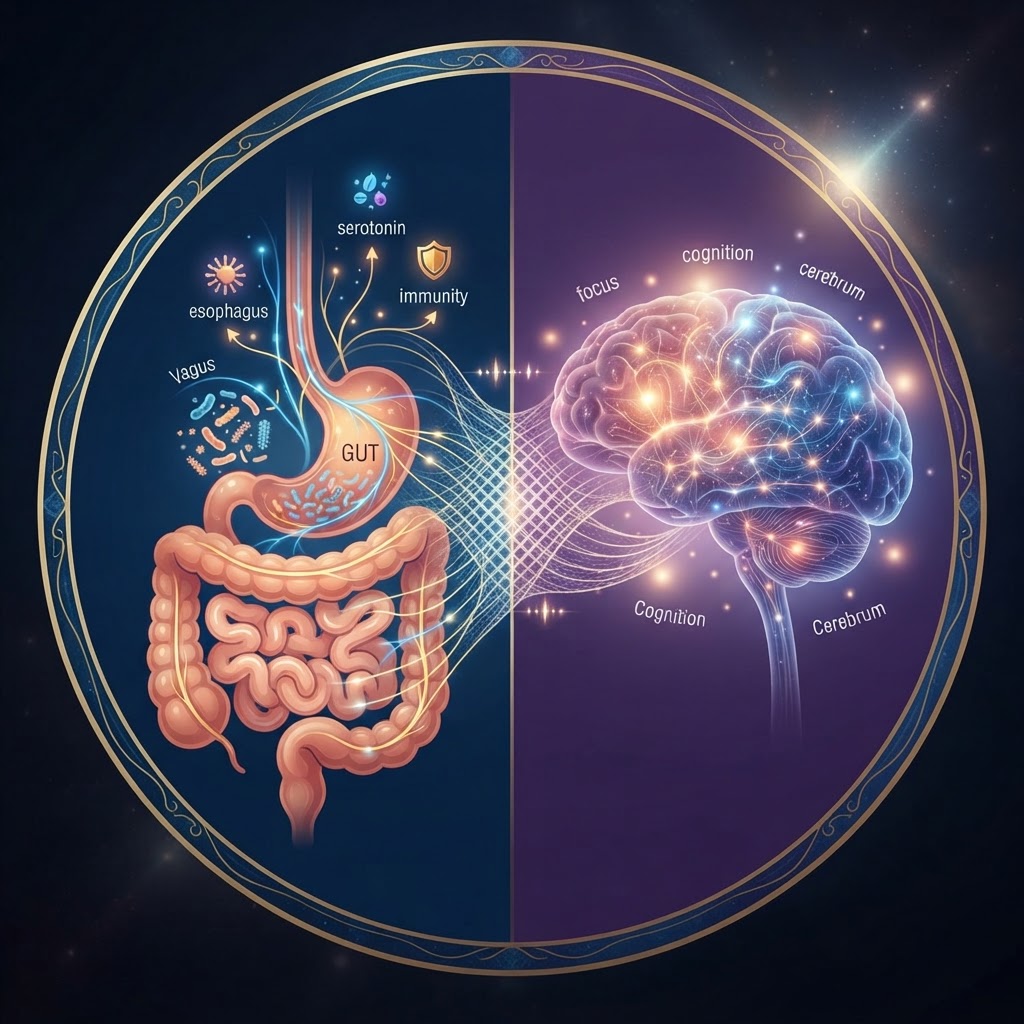
The gut-brain axis functions through a constant dialogue between the central nervous system (CNS) and the enteric nervous system (ENS). The ENS, often referred to as the 'second brain,' is a vast network of neurons lining the gastrointestinal tract. This system regulates digestion but also produces an estimated 90% of the body’s serotonin—a neurotransmitter essential for mood stability and anxiety regulation.
The Vagus Nerve: The Primary Messenger
The most prominent physical link in this axis is the vagus nerve. Acting as a biological superhighway, it transmits signals from the gut microbiome to the brain and back again. When gut health is compromised, this communication can become disrupted, potentially contributing to symptoms that manifest as irritability, cognitive fog, or persistent anxiety.
Microbiome and Anxiety: Investigating the Link
The human microbiome consists of trillions of bacteria, viruses, and fungi living within the intestinal tract. A diverse, balanced microbiome is essential for maintaining physical and mental homeostasis. When the balance of these microorganisms is disturbed—a state known as dysbiosis—the body may experience increased systemic inflammation.
Emerging evidence suggests that gut-derived inflammation can cross the blood-brain barrier. When the gut barrier is compromised, sometimes referred to as 'leaky gut,' bacterial toxins can enter the bloodstream and trigger immune responses that influence neurotransmitter production and brain activity. Addressing these root causes is a cornerstone of integrative psychiatric care.
Environmental Factors and Gut Health
Modern lifestyle factors play a significant role in the health of the microbiome. Diets high in ultra-processed foods, chronic psychological stress, and the misuse of certain medications can significantly alter the gut landscape. Stress, in particular, affects gut motility and alters the microbial composition, creating a cycle where mental stress exacerbates digestive issues, which in turn feeds back into the brain to increase anxiety levels.
Cultivating a Healthy Gut for Mental Wellness
Improving gut health is a foundational step in supporting mental wellness. While every individual’s physiology is unique, integrative psychiatry focuses on several core areas:
- Dietary Diversity: Incorporating fiber-rich, prebiotic-containing foods to fuel beneficial bacteria.
- Stress Modulation: Utilizing mindfulness or therapeutic practices to soothe the vagus nerve and improve gut motility.
- Targeted Assessment: Identifying underlying triggers that may be disrupting the delicate bacterial balance.
Conclusion: Your Path to Integrated Wellness
Understanding the gut-brain connection is not just about digestion—it is about reclaiming your mental clarity and emotional stability. By looking at the body as an interconnected system, we can better address the root causes of anxiety rather than simply managing symptoms. If you are interested in exploring how your digestive health may be impacting your mental well-being, we invite you to take the next step. Contact the office of Dr. Mariela Padro MD today to schedule your integrative psychiatry consultation and begin your journey toward a more balanced life.