Longevity Medicine for Women Over 40: A Smarter Plan for Energy, Mood, and Healthy Aging
For many women, turning 40 is not the beginning of decline. It is the decade when subtle changes become harder to ignore: sleep becomes lighter, stress feels less recoverable, weight shifts despite no major dietary change, periods may become irregular, and mood can feel less steady. In my practice in Miami, FL, I often see women who have been told that these symptoms are “just aging,” when in reality they reflect identifiable changes in hormones, metabolism, inflammation, brain health, and stress physiology.
As a board-certified integrative psychiatrist, I approach longevity medicine differently. My goal is not simply to help women live longer, but to help them preserve energy, cognitive clarity, emotional resilience, and physical function as they age. For women over 40, longevity medicine should be proactive, personalized, and grounded in both conventional medicine and functional assessment.
I serve patients across Miami, including Coral Gables, Brickell, Miami Beach, and South Miami, and many of the women I work with are balancing demanding careers, caregiving, and chronic stress. In that context, a smarter longevity plan must address more than a lab value or a number on the scale. It must address the whole person.
What longevity medicine means for women over 40
Longevity medicine is the clinical practice of reducing risk for age-related decline while improving day-to-day healthspan, the years of life lived with good function. For women over 40, that means identifying the drivers of fatigue, mood changes, poor sleep, brain fog, metabolic resistance, and inflammatory burden before they become more serious disease.
This stage of life often overlaps with perimenopause, a transition that can begin years before the final menstrual period. Estrogen and progesterone fluctuations affect neurotransmitters, thermoregulation, insulin sensitivity, sleep architecture, and stress response. Testosterone, thyroid function, cortisol rhythm, and body composition can also shift. These changes are not purely gynecologic; they affect the brain, nervous system, and whole-body metabolism.
In clinical practice, I think of longevity medicine for women over 40 as a framework built around prevention, early detection, and targeted intervention. Instead of waiting for a woman to develop severe depression, osteoporosis, prediabetes, or cardiovascular disease, we assess the patterns that tend to show up earlier: worsening recovery from stress, increasing visceral fat, declining muscle mass, rising inflammation, and worsening sleep quality.
Why energy, mood, and aging are connected
Women are often surprised to learn how tightly mood and aging biology are linked. If you are not sleeping well, your insulin sensitivity worsens, cortisol becomes less regulated, appetite hormones can become distorted, and emotional resilience drops. If inflammation is elevated, the brain can interpret that as fatigue, low motivation, or depressed mood. If estrogen is fluctuating significantly, serotonin signaling and sleep quality may change, contributing to anxiety, irritability, and concentration problems.
This is one reason I do not separate mental health from physical health. A woman who says, “I feel flat, wired, and exhausted,” may be describing depression, but she may also be describing perimenopausal sleep disruption, iron deficiency, thyroid dysfunction, insulin resistance, alcohol-related sleep fragmentation, high inflammatory load, or chronic burnout. Often, several are occurring at once.
In a city like Miami, where many women maintain high-performance schedules while trying to look and feel their best year-round, it is easy to normalize over-caffeination, chronic stress, under-eating during the day, poor recovery, and wine-fueled sleep disruption at night. Those habits can quietly accelerate biologic aging. Longevity medicine helps us interrupt that pattern.
The most common issues I evaluate in women over 40
When I build a longevity plan, I start by looking for the most clinically relevant drivers of symptoms and future risk.
Hormonal transition and perimenopause
Perimenopause can begin in the early to mid-40s, and for some women earlier. Symptoms may include shorter or heavier cycles, new premenstrual mood shifts, night sweats, early waking, anxiety, palpitations, low libido, and brain fog. Because hormone fluctuations may be inconsistent, women are sometimes told their labs are “normal” even when their symptom pattern strongly suggests transition.
A clinically sound evaluation looks at symptoms first, then uses labs strategically. Treatment may include lifestyle changes, sleep repair, targeted supplements, and in appropriate candidates, hormone therapy. The purpose is not cosmetic. It is to support brain function, protect bone and metabolic health, and reduce unnecessary suffering.
Metabolic resistance and body composition changes
Many women notice that the same habits that worked at 32 no longer work at 45. This is not a failure of willpower. Age-related changes in estrogen, muscle mass, insulin signaling, sleep, and stress hormones can make fat loss harder and blood sugar less stable. Central weight gain is particularly important because it correlates with higher risk for cardiovascular disease, fatty liver, and cognitive decline.
I pay close attention to fasting glucose, insulin, hemoglobin A1c, triglycerides, waist circumference, and patterns of hunger, cravings, and post-meal fatigue. Preserving lean muscle is one of the most powerful anti-aging strategies available, and it is often underemphasized in women.
Sleep disruption
Sleep is one of the strongest levers in longevity medicine. Women over 40 frequently experience early waking, lighter sleep, or awakenings between 2 and 4 a.m. due to hormone shifts, stress physiology, alcohol, sleep apnea, blood sugar instability, or mood disorders. Even mild chronic sleep disruption can affect memory, weight regulation, irritability, and inflammatory signaling.
In treatment, I look beyond sleep medications. We assess sleep timing, breathing, snoring risk, alcohol use, evening cortisol activation, body temperature regulation, and the role of perimenopause. Better sleep often improves mood and energy faster than almost any other intervention.
Cognitive changes and brain fog
Brain fog is real, and it deserves a medical explanation. Poor sleep, fluctuating estrogen, low ferritin, B12 deficiency, inflammatory diet patterns, insulin resistance, ADHD, and depression can all impair executive function and concentration. Women sometimes worry they are “losing it,” when in fact the issue is reversible physiology.
A thoughtful workup is especially important for women in leadership roles, medicine, law, finance, or entrepreneurship who notice declining verbal fluency, memory lapses, or slower processing under stress.
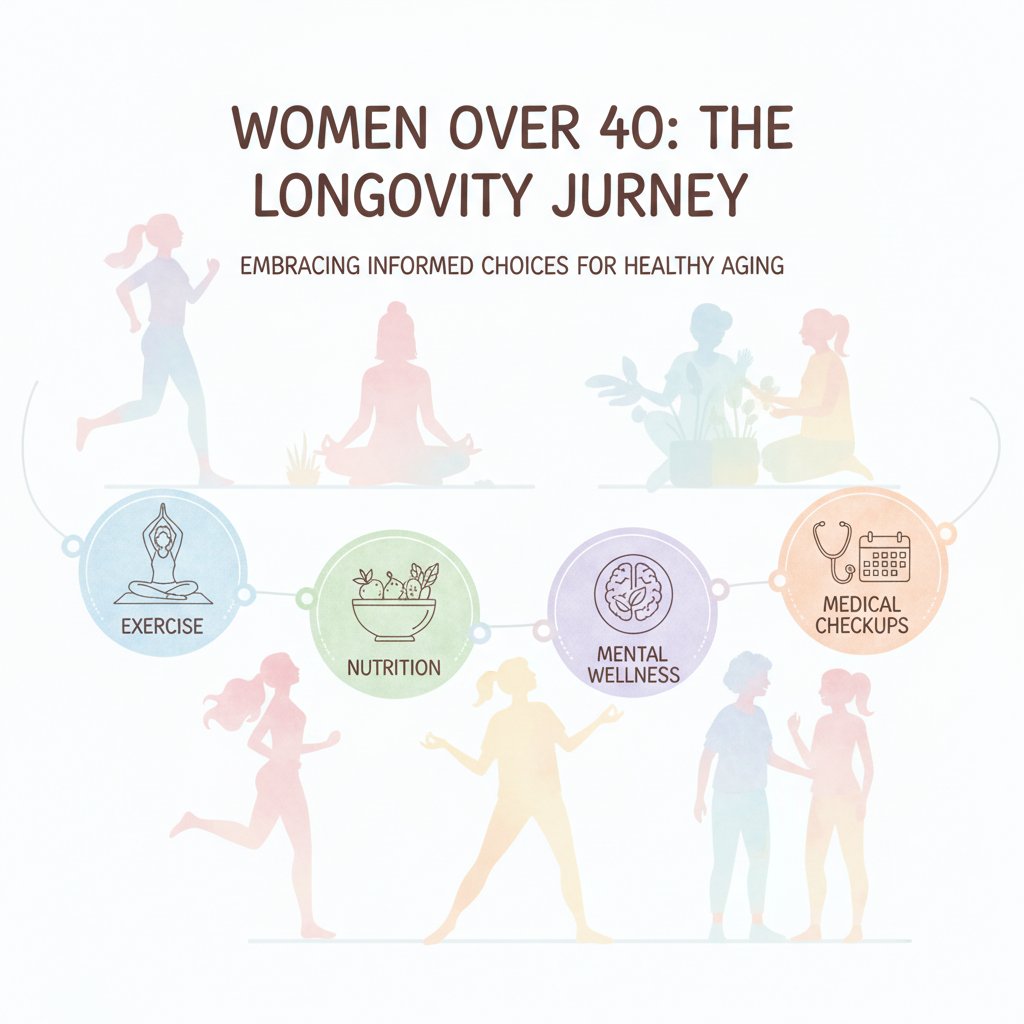
What an evidence-based longevity plan includes
A good longevity plan should be individualized, not copied from social media. In my Miami practice, I build plans around symptoms, personal history, family risk, and objective data.
1. Comprehensive assessment
I begin with a detailed history that covers mood, menstrual and reproductive history, sleep, trauma, stress load, exercise, nutrition, alcohol use, medications, supplement use, and family history of dementia, cardiovascular disease, diabetes, osteoporosis, and cancer. I also review prior psychiatric treatment because medication effects can overlap with hormone and metabolic symptoms.
Laboratory assessment may include thyroid markers, iron studies, B12, vitamin D, fasting glucose, fasting insulin, A1c, lipid markers, inflammatory markers, and hormone testing when clinically indicated. Depending on the case, I may also consider micronutrient, gut, or cardiometabolic data if they are likely to change treatment decisions.
2. Nutrition that stabilizes the brain and metabolism
Women over 40 usually do better with nutrition that emphasizes protein adequacy, blood sugar stability, fiber, omega-3 fats, and anti-inflammatory food patterns. I often recommend building meals around high-quality protein, nonstarchy vegetables, healthy fats, and smart carbohydrates timed to activity and metabolic needs.
Many symptomatic women are under-proteined, especially at breakfast, and then rely on coffee to suppress hunger until afternoon. That pattern can worsen cortisol dysregulation, anxiety, and evening overeating. In Miami’s heat and humidity, hydration and electrolyte balance also matter, especially for women who exercise outdoors, use saunas, or are prone to headaches and fatigue.
3. Strength training and muscle preservation
If I had to choose one intervention with the broadest longevity benefit for women over 40, it would be resistance training. Muscle is a metabolic organ. It improves insulin sensitivity, supports balance and bone density, enhances mitochondrial function, and helps regulate mood. Women do not need punishing workouts; they need consistent, progressive strength work and adequate recovery.
Walking, mobility work, and zone 2 cardiovascular exercise are also useful, but muscle preservation is foundational.
4. Sleep and stress recalibration
Chronic stress accelerates aging through multiple pathways, including inflammation, blood sugar dysregulation, autonomic imbalance, and mood instability. I often work with women whose nervous systems are functioning in a constant high-alert state. This may show up as jaw clenching, palpitations, insomnia, GI distress, emotional reactivity, or burnout.
Treatment can include cognitive and behavioral strategies, mindfulness-based practices, trauma-informed therapy, carefully selected supplements, and when appropriate, medication or hormone support. The goal is not simply to reduce stress subjectively; it is to restore physiologic recovery.
5. Hormone-informed care
For the right patient, hormone therapy can be an important part of a longevity plan, especially during perimenopause and menopause. The decision should be individualized based on symptoms, age, timing, medical history, and risk profile. Hormone treatment is not for everyone, but neither should it be dismissed when clinically appropriate.
As an integrative psychiatrist, I am particularly attentive to the mental health effects of hormone transition. Anxiety, panic, depressive symptoms, insomnia, irritability, and cognitive changes may improve significantly when hormonal shifts are recognized and treated as part of the full picture.
The psychiatric side of longevity medicine
This is where my lens as an integrative psychiatrist matters. Women often come in asking for help with fatigue or hormones and then reveal that they have also lost pleasure, feel emotionally numb, snap at loved ones, or cannot recover from work stress. These symptoms are not separate from longevity; they are part of it.
Depression, anxiety, burnout, unresolved trauma, and chronic over-functioning can all alter inflammatory pathways, sleep quality, metabolic function, and self-care behaviors. At the same time, biologic issues such as hormone fluctuation or insulin resistance can worsen psychiatric symptoms. Effective care requires treating both directions of that relationship.
This is why I use a functional and integrative framework rather than a narrow symptom checklist. If a woman’s mood changed dramatically at 43, I want to know whether the issue is primary depression, perimenopause, iron deficiency, alcohol-mediated sleep disruption, unrecognized ADHD, burnout, or a combination. Precision matters.
What women in Miami should know about aging well here
Living in Miami offers advantages for healthy aging, including year-round outdoor movement, access to fresh foods, and a culture that often values wellness. But there are also challenges: intense work schedules, social pressure around appearance, late dinners, alcohol-heavy networking, heat-related dehydration, and chronic overstimulation.
For women in Coral Gables, Brickell, Miami Beach, and South Miami, sustainable longevity is not about chasing trends. It is about measurable strategies that improve brain health, metabolic flexibility, sleep quality, and emotional resilience. Peptides, NAD+ support, supplements, or advanced therapies may have a place for some patients, but they should come after a strong foundation, not instead of one.
A smarter plan starts before disease develops
The best time to address longevity is when symptoms first begin to shift, not after years of feeling dismissed. If your energy is lower, your mood feels less stable, your body composition is changing, or your sleep is no longer restorative, those are signals worth evaluating. They may reflect a treatable intersection of hormonal, metabolic, and psychiatric factors.
My approach is to translate those signals into a structured plan: identify root contributors, use targeted diagnostics, support the nervous system, protect metabolic and cognitive health, and create treatment that is realistic for your life. Healthy aging should feel proactive, not reactive.
When to seek a consultation
I recommend a medical evaluation if you are over 40 and experiencing persistent fatigue, anxiety, new depression, brain fog, insomnia, weight changes, low libido, cycle irregularity, or a sense that your stress tolerance has dropped significantly. You do not need to wait until symptoms are severe.
As a physician practicing in Miami, FL, I work with women who want a more sophisticated, evidence-based plan for healthy aging, including patients from Coral Gables, Brickell, Miami Beach, and South Miami. If you are ready to take a smarter, more personalized approach to longevity medicine, schedule a consultation at padromd.com.