Understanding the Hormonal Shift
For many women, the transition through perimenopause and into menopause is far more than a physical milestone. As ovaries gradually reduce production of estrogen, progesterone, and testosterone, the brain—an organ rich in hormone receptors—often feels the impact first. At the practice of Dr. Mariela Padro, we view these changes through a lens of integrative psychiatry, recognizing that hormonal fluctuations are a primary driver of mood instability, anxiety, and cognitive fog.
Why Hormones Impact Mood
Estrogen, in particular, is a neuroprotective hormone. It influences the production and metabolism of serotonin, dopamine, and norepinephrine—the neurotransmitters responsible for mood regulation and emotional resilience. When estrogen levels become erratic during perimenopause, the brain’s ability to maintain neurochemical balance is challenged. This can manifest as increased irritability, sudden onset of anxiety, or depressive symptoms that may feel unfamiliar to patients who have never struggled with mental health previously.
The Complexity of Perimenopause
Perimenopause can begin years before a woman’s final period, often starting in the late thirties or early forties. During this stage, progesterone levels often decline faster than estrogen, leading to a state of 'estrogen dominance' in some women. Progesterone has a calming, GABA-enhancing effect on the central nervous system; when it drops, patients often report heightened physiological stress, insomnia, and an inability to 'turn off' their thoughts.
Recognizing the Symptoms
- Heightened Anxiety: A feeling of 'racing' or being 'on edge' without an obvious external stressor.
- Brain Fog: Difficulty with focus, memory retrieval, or a sensation of 'mental fatigue.'
- Sleep Disturbances: Insomnia or poor sleep quality, which compounds the risk for mood disorders.
- Affective Shifts: Increased sensitivity to stressors or unexpected emotional volatility.
An Integrative Approach to Care
In traditional settings, hormonal symptoms and mental health struggles are often treated in silos. However, root-cause mental health care acknowledges that you cannot effectively address mood without supporting the endocrine system and overall metabolic health. An integrative psychiatric approach involves evaluating the entire physiological landscape.
Supporting the Neuroendocrine Axis
When we address women's mental health during these transitions, we focus on several pillars. First, we assess metabolic markers and nutritional status to ensure the body has the building blocks required for hormone synthesis and neurotransmitter regulation. Second, we look at the HPA (hypothalamic-pituitary-adrenal) axis, as chronic stress can further deplete already dwindling hormonal reserves. By focusing on blood sugar stabilization, inflammation reduction, and gut health, we can often alleviate the 'noise' that exacerbates mood dysregulation during these transitional years.
Lifestyle as Medicine
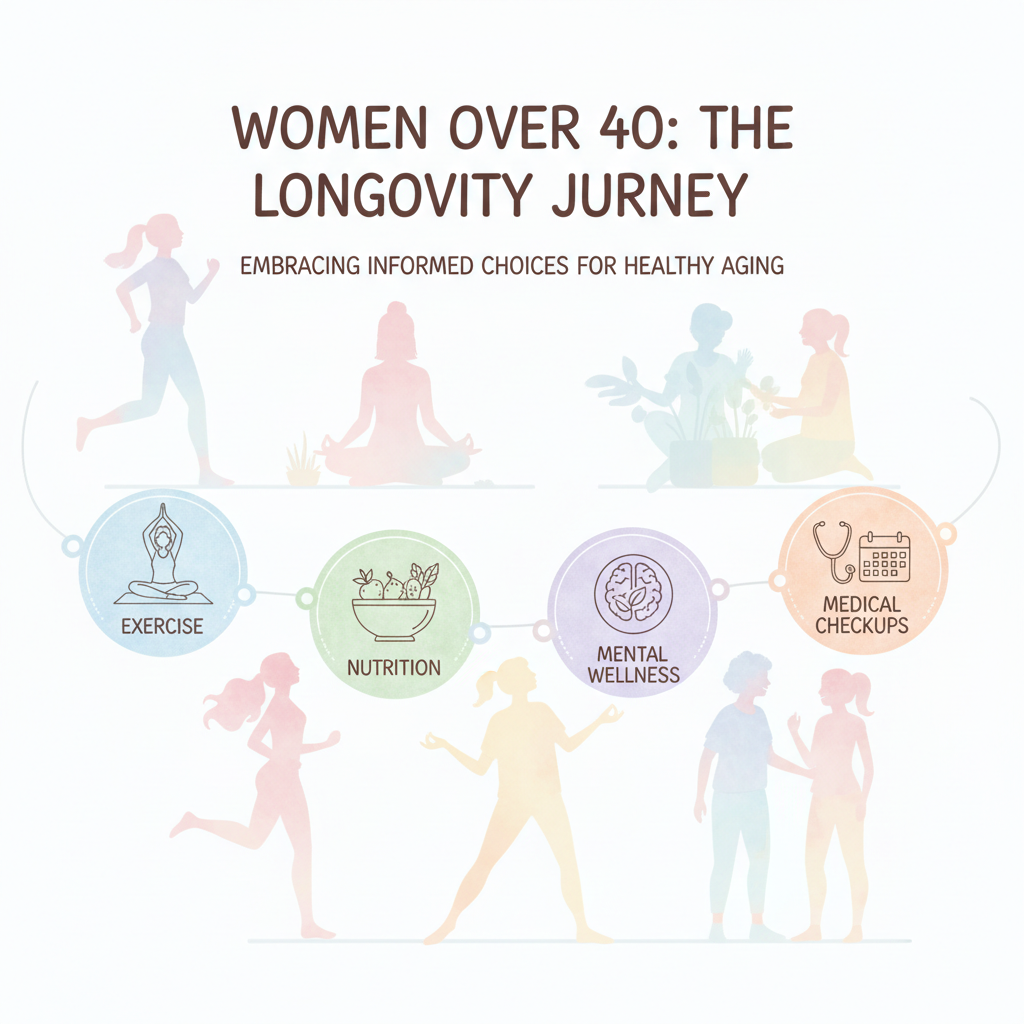
Integrative psychiatry prioritizes lifestyle interventions as foundational treatment. This includes personalized nutrition, targeted movement, and sleep hygiene protocols that protect the nervous system. By stabilizing the body's internal environment, many women find that their mental health symptoms become significantly more manageable.
Moving Forward: Take Control of Your Wellness
If you find yourself struggling with changes in your mood, memory, or sleep quality, you do not have to settle for the idea that this is simply 'part of getting older.' You deserve a personalized, evidence-informed approach that honors your history and your biology. At the practice of Dr. Mariela Padro, we are dedicated to helping women navigate these transitions with clarity and resilience. Contact us today to schedule a consultation and begin your journey toward optimized health.